
As we touched upon earlier in the book, the customer acquisition process in the on-premise and early SaaS eras was predominately sales-driven. Sales teams were primarily responsible for driving revenue. As information about products became more available, companies started bringing marketing closer to sales in order to close the gap between prospect exposure to content and messages, and nurturing them to be sales-ready. Marketing was responsible for driving the content strategy and campaigns to generate and nurture leads, and the sales organization was divided into three branches: sales development representatives (SDRs), responsible for qualifying prospects; account executives, responsible for closing deals; and customer success, responsible for keeping the customer long-term. The last of the three branches, customer success, became a department of its own.
In many organizations, that means enterprise buyers are interacting with three or four departments, depending on whether you consider SDRs to be a separate group. Each department sends its own e-mails and manages prospect interactions, making it difficult to keep track of the overall customer experience.
To deliver a stellar customer experience, companies have to rethink how departments collaborate. The first step in understanding the customer experience is to change from a sales process perspective to a buyer process perspective. Companies that understand the buying process from the customer’s perspective are better positioned to develop great customer experiences.
Customer lifecycle thinking helps teams and departments understand and respond to how prospects and customers buy.
Let’s be clear: Customer lifecycle is about understanding the buying process from the perspective of the customer, rather than a sales process from the perspective of the seller. It’s a very important distinction, because when organizations focus on the buying processes, it forces them to carefully examine a customer’s journey. Customer lifecycle bubbles up critical questions, like:
Unfortunately, many companies are still organized around a GTM and sales process that results in disconnected from customer experiences. Just as on-premise and early SaaS companies did, most of today’s SaaS companies divide their complex GTM/sales process among specialized departments — marketing, sales, and customer success.
Traditionally, marketing is responsible for generating awareness and interest in the form of leads. Lead nurturing also falls under marketing. Sales teams close deals, and customer success oversees the customer onboarding process post-transaction, ensuring customer satisfaction, which ultimately is measured by retention and churn rates.
Figure 6.1 shows that each team is responsible for only part of the customer lifecycle. A prospective customer is passed from one department to another. Marketing views the prospect as a lead and passes it to the Sales Development Representative (SDR) team. An SDR qualifies a prospect and hands it off to the account executive (AE) for demo and closing. The AE sends newly signed customers to the customer success team, which is responsible for keeping the customer happy. No wonder it can be tricky monitoring and managing overall customer experiences with the company and product!
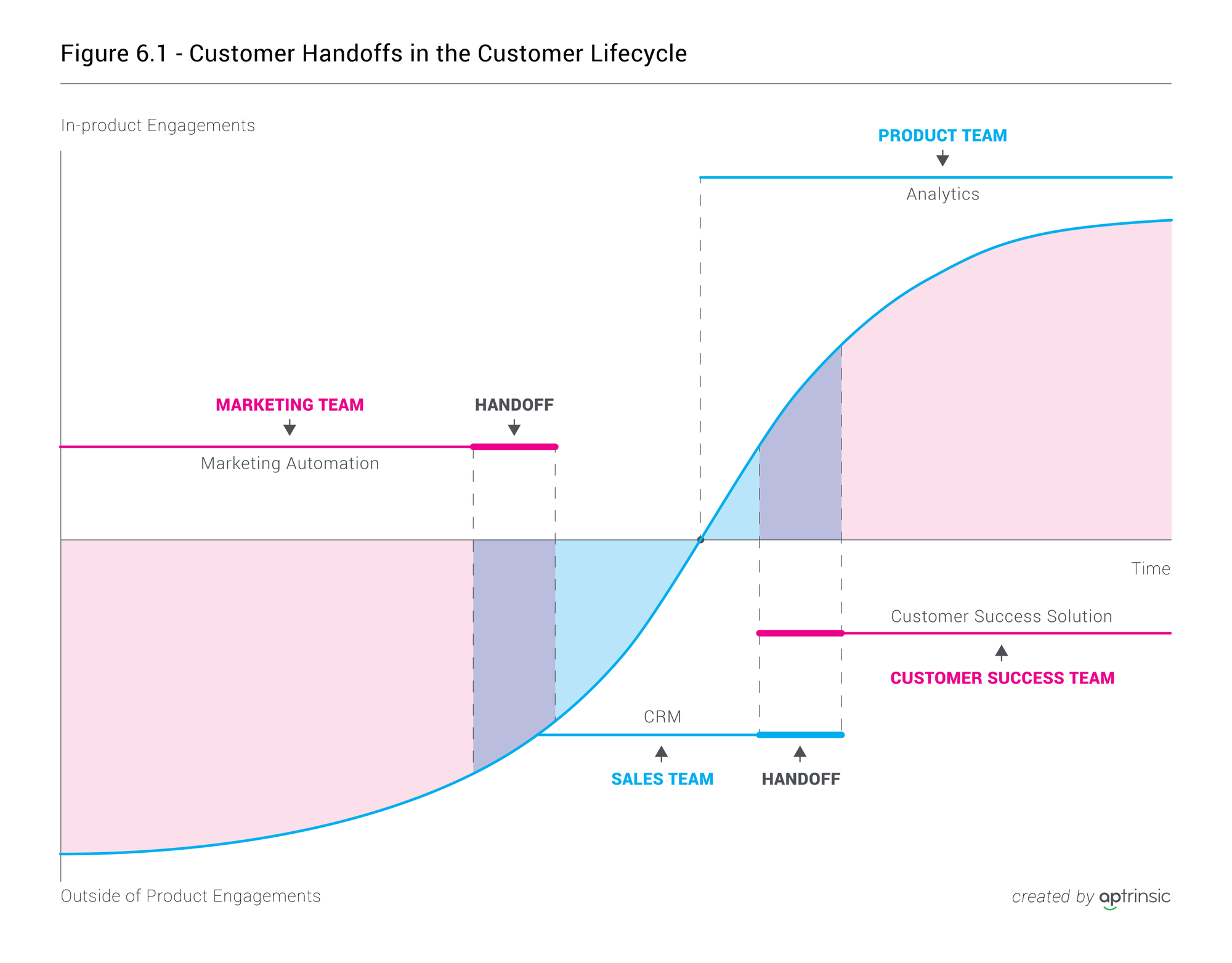
Figure 6.1 — Customer Handoffs in the Customer Lifecycle
When a company experiences high customer churn rates, the first inclination is to look at what’s wrong in the customer success department. Rarely does an organization look into marketing and sales to evaluate how these teams acquire customers and communicate with them, and how they impact customer expectations and behavior. Some questions to consider:
Further, each department has goals and incentives that are aligned only with the part of the customer lifecycle for which they are responsible. The marketing team is incentivized based on leads; sales is based on demos and closed deals; customer success on churn rate and renewals. A sole focus on department goals can cause a disjointed customer experience when, for example, a customer receives multiple e-mails — from marketing telling them about an upcoming webinar, from the customer success team notifying them about their upcoming renewal, and from the product team informing them about a new feature release.
On top of that, each department is likely to use its own technology to send customer communications. This adds to the issue of a broken customer experience, since integration between the systems is often poor or non-existent.
The goals and incentives of each functional team should be considered based on how it impacts the overall customer experience and CLV. In his book Sales Acceleration Formula*,* Mark Roberge explains how Hubspot changed sales compensation plans to address a growing customer churn rate1. This is the first and critical step of sales and customer success teams: sharing responsibility for CLV and churn rate. But what about product and marketing teams? Should they be responsible for these metrics as well? We think so.